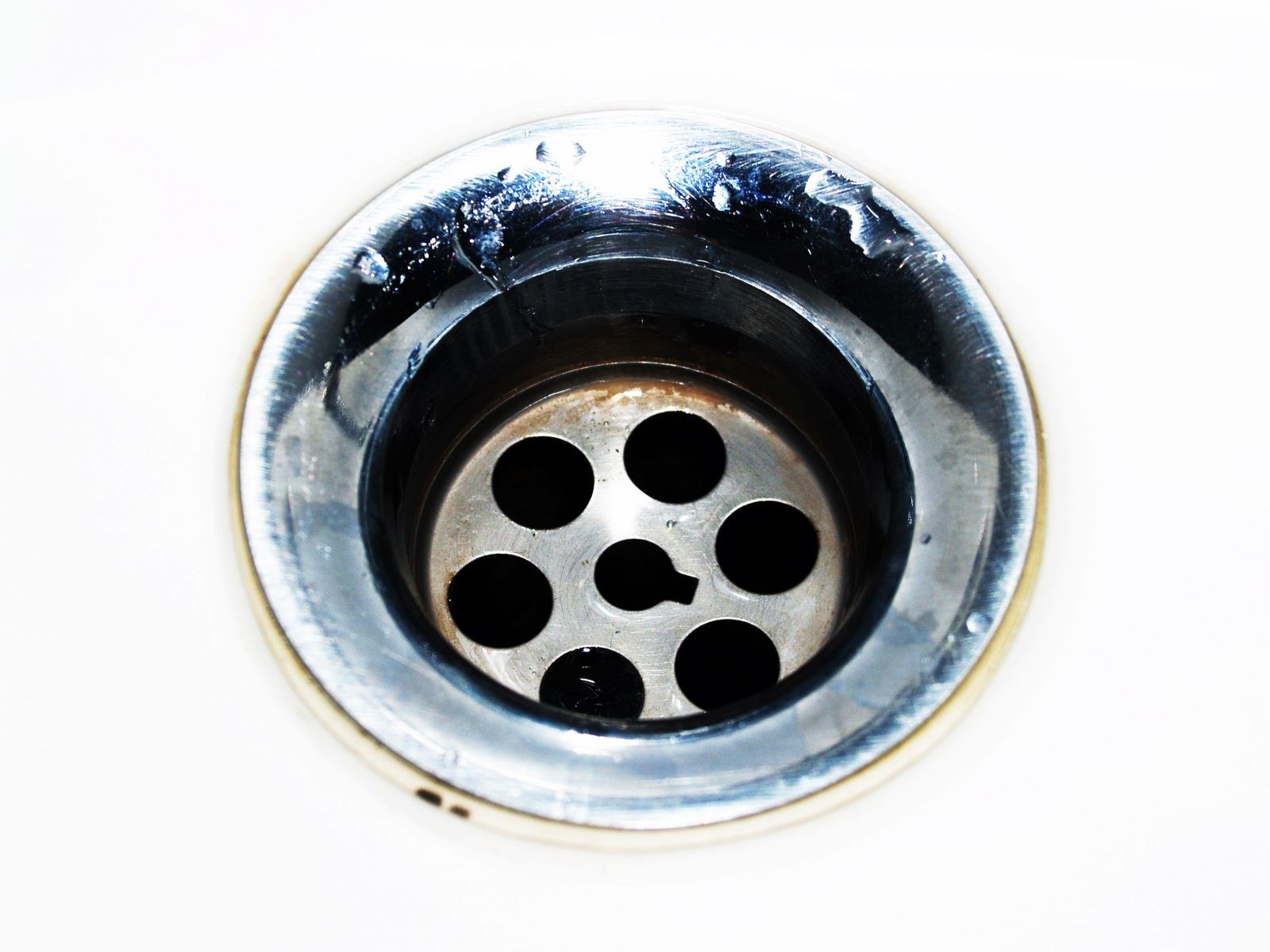
Slow drains are common in busy Cardiff shared homes, especially where hair, food scraps, soap residue or leaves have built up over time.
This guide keeps the response simple: make the area safe, try low-risk cleaning first, and report the issue before it becomes a leak or a wider drainage problem.
Clear visible debris, avoid harsh chemicals, try a plunger if safe, and contact 2let2 if water is backing up, leaking or not draining after basic checks.
First checks
Start by working out where the blockage seems to be. If only one sink or shower tray is slow, the blockage is likely close to that fitting. If several drains are slow at the same time, or water is coming back up somewhere else, stop using the affected fixtures and report it.
Remove anything visible from the plug hole or drain cover while wearing gloves. In kitchens, check for food, fat or coffee grounds near the waste. In bathrooms, hair and soap residue are the most common causes.
Safe things to try
For sinks and showers, run warm water for a short time and use a plunger gently if the fitting allows it. Keep a firm seal, use steady pressure, and stop if water starts escaping from a joint or overflow.
If there is an accessible trap under a sink and you are confident opening it, place a bowl and towel underneath first. Do not use caustic drain cleaner, mix cleaning products, force tools into pipework, or dismantle anything you cannot put back securely.
When to contact us
Contact 2let2 if the drain stays blocked after simple checks, if there is a leak, if the blockage returns quickly, or if an outside drain is overflowing. Include photos where useful and explain which fixtures are affected.
If dirty water is backing up into a sink, bath, shower or toilet, treat it as urgent and stop using nearby water outlets until advice has been given.
If a drain becomes blocked as a result of the actions or misuse of the contract holder(s) or their visitors, the contract holder(s) will be responsible for the cost of clearing the blockage and any associated repairs. Common causes include, but are not limited to, the disposal of wet wipes, sanitary products, nappies, fats, oils, grease, food waste, or any other unsuitable items into toilets, sinks, or drains.
If the blockage is found to be due to a fault with the drainage system or another issue outside the control of the contract holder(s), the landlord will remain responsible for the repair in accordance with their repairing obligations.

